ZONE 2 CERTIFICATION IN ANGOLA
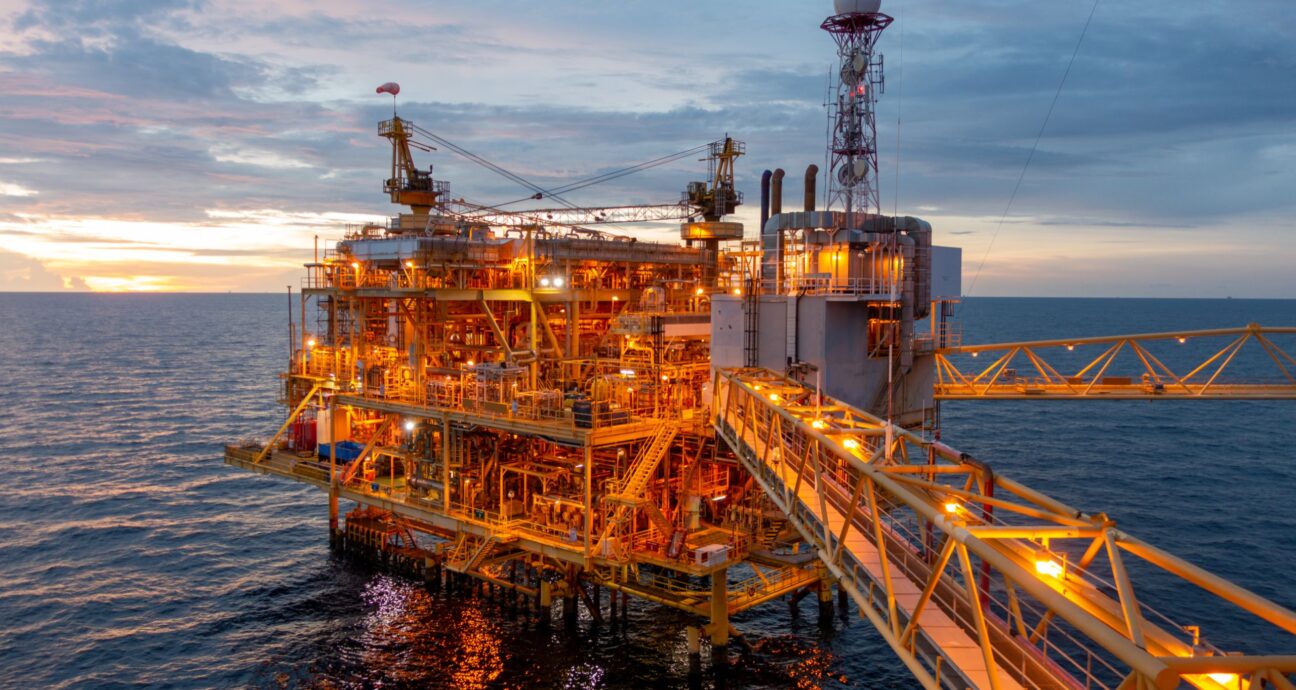
Get Zone 2 certification with hazardous area classification and Ex survey of oilfield and marine electrical equipment’s from ANPG approved ATEX/CompEx Certified company. Focusing Zone II Certification of engines, generators, motors, winches, and forklifts at FPSO and offshore rigs as per IEC 60079,API RP 505 and IEC 61892. To lower such dangers and ensure the protection of personnel and equipment, ANPG NFA has established strict Zone 2 compliance requirements and international standards. The use of electrical and mechanical systems that are designed to prevent ignition and are intrinsically safe is one of these.
We meet your compliance demands by offering effective, field-tested Zone 2 installations that follow safety and regulatory requirements. For offshore rigs and platforms, our hazardous area classification and specialist zone certification services are essential. ATEX or CompEx certification covers transformer and generator ex-survey and explosion-proof surveys. Obtain Zone 2 certification, as well as CompEx and ATEx certification services with Ex survey and hazardous area categorization.
ZONE II EQUIPMENT CERTIFICATION IN ANGOLA
Zone II Equipment certification has been performed by authorized Inspection engineers in FPSO and offshore rigs by following guidelines, standards and codes. The IEC 60079 Series (International, or IECEx) is the most widely accepted international standard for equipment used in explosive environments.
- ATEX Certification (EU-based projects) Directive 2014/34/EU (ATEX 114) covers equipment and protection systems intended for use in potentially explosive settings if doing business in Europe or in compliance with ATEX-aligned laws.
- Zone 2 equipment must meet Category 3G requirements; the designation is II 3G Ex nA IIC T4 Gc.
- Asia and the world are all certified by IECEx. Similar to ATEX, but recognized worldwide. IECEx CBs (Certification Bodies) inspect and certify equipment. Certificates of Conformance produced by IECEx comply with IECEx standards through local recommendations.
HAZARDOUS AREA CLASSIFICATION IN ANGOLA
A hazardous area is a three-dimensional location where flammable or explosive environments are present or may be expected to be present in such amounts that ignition source controls are required to manage safety concerns (i.e., fires and explosions). Explosions and flames can have catastrophic consequences for persons and property, including likely revenue losses, fatalities, and serious injuries. Consequently, electrical safety and work health and safety rules impose a duty of care on a person conducting a business or undertaking (PCBU).
HACs can be carried out by directly comparing them with typical installations as specified by current codes or by employing more quantitative methods that need in-depth plant knowledge. For new or complex installations, HACs may need additional support from other hazard identification processes, such as a Hazard and Operability Study (HAZOP) and a Preliminary Hazard Analysis (PHA), as well as calculations utilizing specialized modeling software. HACs must always be supported by manufacturers’ safety data sheets (SDS) or other representative data on the explosive properties of the flammable materials involved. For HACs that contain combustible dust, testing may be required to determine the explosive properties of the dust, such as particle size and chemical composition.
ZONE CLASSSIFICATION IN ANGOLA
In order to control the explosive atmosphere and assess the potential severity of flammable gases or vapors in the atmosphere, we classify all hazardous regions according to international regulations and standards. Even though they are located in non-hazardous areas, all marine and electrical equipment utilized in ANPG zones and areas is certified fit for use. Intrinsic safety (Ex i), flame-proof enclosures (Ex d), increased safety (Ex e), pressurized (Ex p), or encapsulation (Ex m) certification is necessary for zone classification equipment.
For all electrical and marine equipment, including engines, generators, and motors, Zone II certification is required. Offshores use deck cranes, winches, and forklifts with the appropriate Ex/ATEX Certification as well as lifting attachments.